Form and visual identity
Proportions, silhouette, surface transitions and visible part relationships. We develop a coherent appearance around your references and intended use, rather than treating styling as an extra layer.
Prefer English? View in English
Prefere português? Ver em Português
¿Prefieres español? Ver en español
Vous préférez le français ? Voir en français
Бажаєте українською? Перейти на українську
Bevorzugen Sie Deutsch? Auf Deutsch ansehen
Wolisz język polski? Przejdź do polskiej wersji
Prefere a versão para o Brasil? Acessar Brasil
Services / Product Design
We develop new products and improve existing ones, bringing appearance, use and construction into one design. A clear brief, practical design choices and coordinated CAD files help you move toward a prototype or the agreed manufacturing stage.
A concept, an existing product or feedback from a prototype can be the starting point. We consider who will use it, how it is held, opened, assembled and maintained, and which dimensions or components must remain. Digital design is available internationally; physical 3D printing is available within Portugal.
Proportions, silhouette, surface transitions and visible part relationships. We develop a coherent appearance around your references and intended use, rather than treating styling as an extra layer.
Grip, reach, controls, openings and everyday handling. We consider the user’s actions, access and cleaning so the shape supports the purpose of the product.
One-piece or multi-part designs, housings, internal space, mounting points and interfaces. We compare suitable constructions and resolve how the components fit and work together.
Connections, fasteners, detachable elements and replaceable parts. The design considers assembly order, tool access, servicing and the parts likely to wear.
Geometry is developed around the intended material and process, including 3D printing or the agreed fabrication method. Manufacturer requirements inform wall thickness, connections and assembly choices.
Prepare the agreed prototype geometry, refine an existing product or address measured fit issues. Feedback from trials and manufacturers can guide subsequent design revisions.
You do not need a finished design to contact us. Explain the intended use, the constraints and what you want to receive. The quote specifies the design work, file formats, included revisions and timing; physical prototyping or specialist validation is identified separately when needed.
Your quote confirms which files are included.
A single body, removable cover or multi-part construction creates different choices for cleaning, access, strength and assembly. We compare suitable options against the user’s actions, internal components and manufacturing process. The aim is a coherent product whose appearance and construction support the same purpose.
A prototype may test a grip, a mating interface, an opening sequence or overall stability. We identify what needs checking and which measurements or observations will guide the next revision. Physical results depend on material and production settings; when prototyping is commissioned, its findings can inform the subsequent design work.
We work through how the product is held, opened, assembled and maintained. We check component layout, access and construction against the intended material and manufacturing process. The review focuses on decisions that affect use and production, so each revision moves the project forward.
We review your references, intended use and required deliverables. Scope, total price and timing are agreed before full payment and the start of work.
We compare practical options, resolve form and construction, and build the agreed models. Intermediate views can be shared by agreement; any change of scope is agreed before additional work.
We check the digital files against the agreed requirements and deliver them in the specified formats. Questions and included corrections remain in the same project conversation.
Yes. We can review access, connections, part count, and assembly, then develop the agreed improvements while preserving required features.
We develop the form, construction, connections and assembly as one design. We check the important dimensions and interactions, correct identified issues and prepare a coherent model and documentation for your prototype. Physical trials then verify the manufactured product in use.
We review the part count, material, connections, tool access and assembly sequence, then compare practical construction options with your manufacturer’s requirements. The agreed design changes aim to make production and servicing more straightforward; cost effects are assessed against the actual process.
Send a sketch, reference images and what the product needs to do. We define the first design stage, compare practical concepts and agree which model, prototype files or drawings you need.
If the shape and dimensions are already defined, modeling may be enough. If you also need to decide how the product works, is held, opens or assembles, product design is more appropriate. Tell us what is already decided and what still needs to be developed.
Yes. Tell us the intended use, expected quantity, budget priorities and materials you are considering. We can compare suitable directions within the agreed work. The chosen process and manufacturer requirements then guide the detailed geometry.
Yes. Send dimensions, drawings or models of the components and identify connections that must remain accessible. We can plan mounts, clearances, cable routes, openings and assembly access. Missing dimensions are clarified before the interfaces are finalized.
We agree the receiving software, formats and documentation before starting. The delivery can include CAD models, exchange files, drawings and assembly information within the quoted scope. Share the manufacturer’s requirements so the package suits its workflow.
Send measurements, photos and a description of the issue. We compare the result with the agreed requirements and identify whether the geometry, manufacturing process or assumptions need attention. Included corrections follow the quote; new requirements or further development are agreed separately.
We compare actual use, cleaning, assembly, repair access, material and the proposed manufacturing process. Fewer parts can simplify production, while separate parts can improve access or replacement. We develop the construction that best balances these needs and explain the important trade-offs before detailed design.
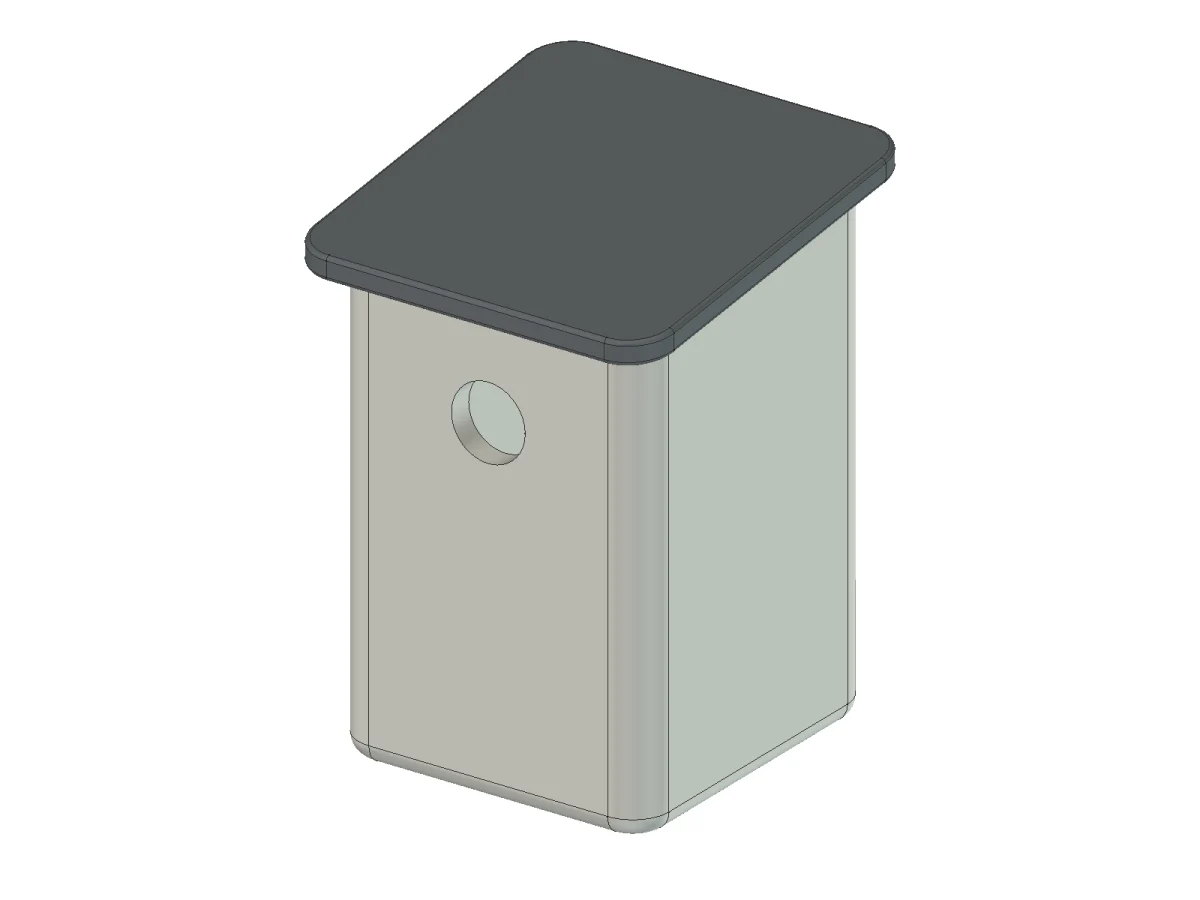
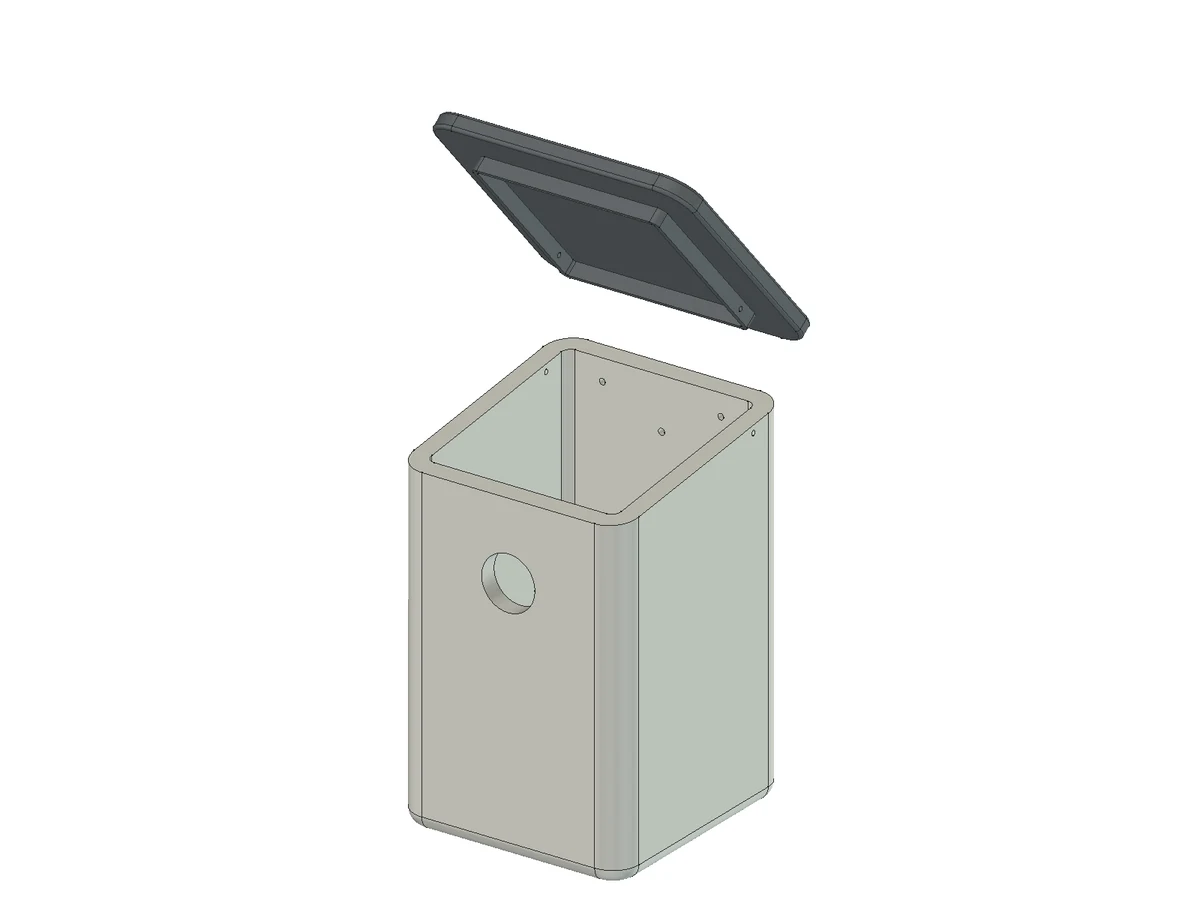
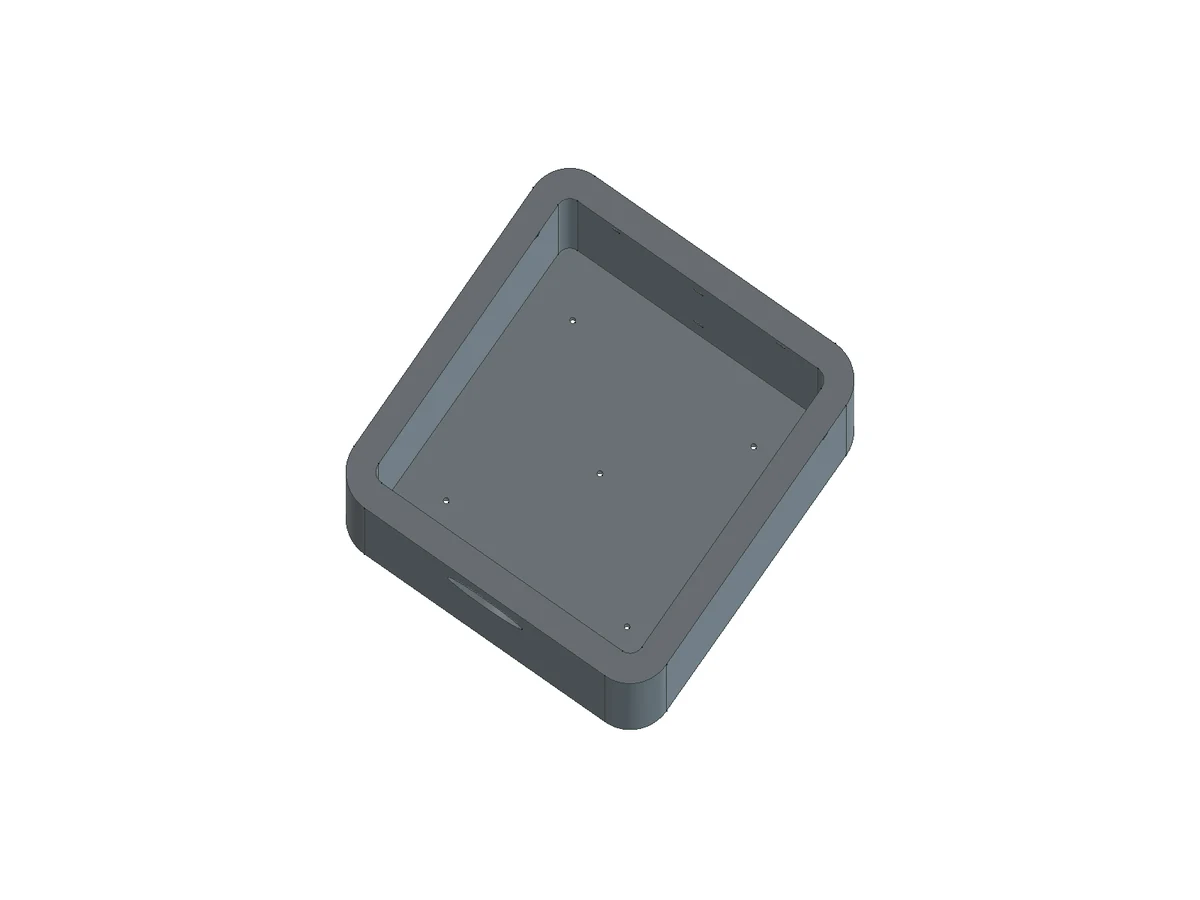
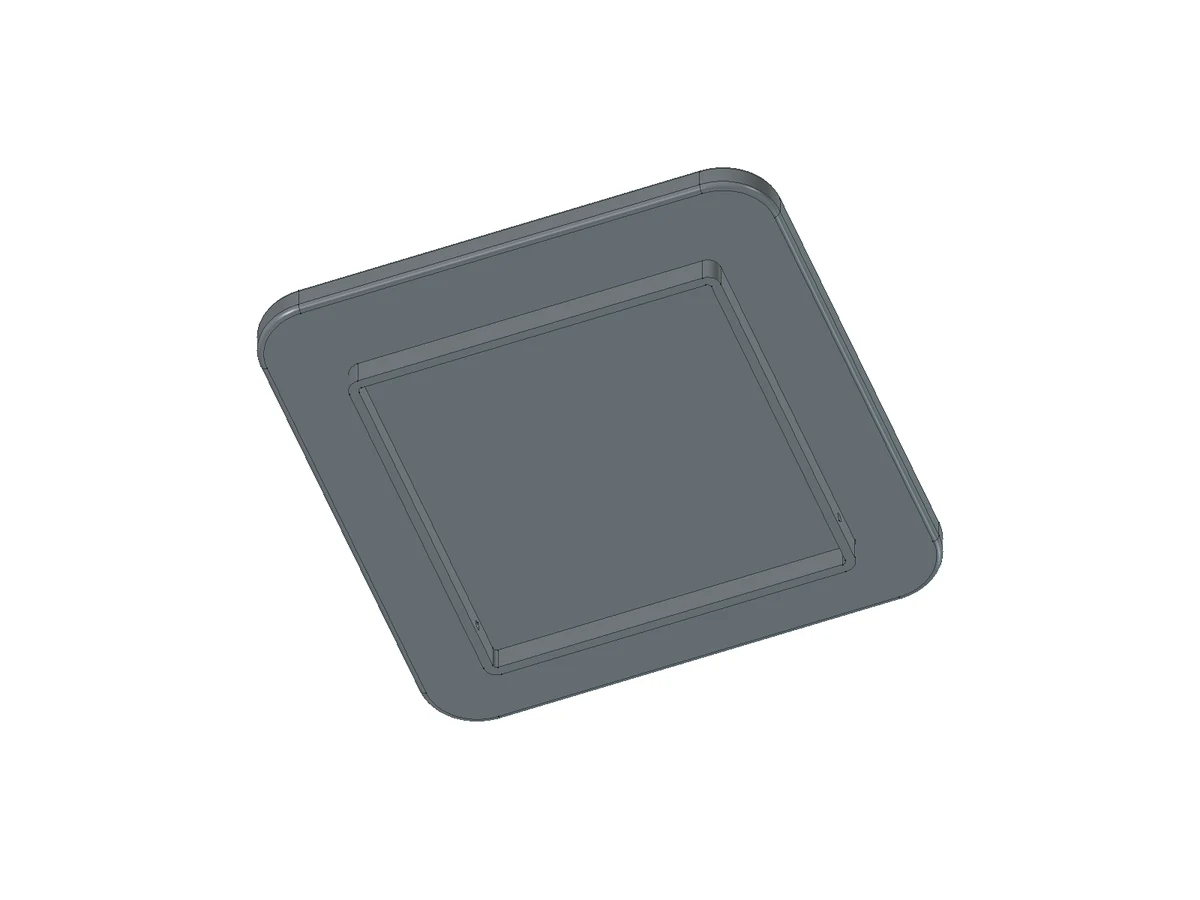
A hollow nest box with a circular entrance, floor drainage openings, and a separate sloping roof. Additional views show the open body, roof locating band, and retention openings.