Work & Studies

Digital geometry begins with a purpose.

The diagrams below explain our approach to reference material, geometry, review, and file delivery. They are illustrative examples, not customer commissions, source CAD, or completed manufacturing files. We publish client work only with permission.

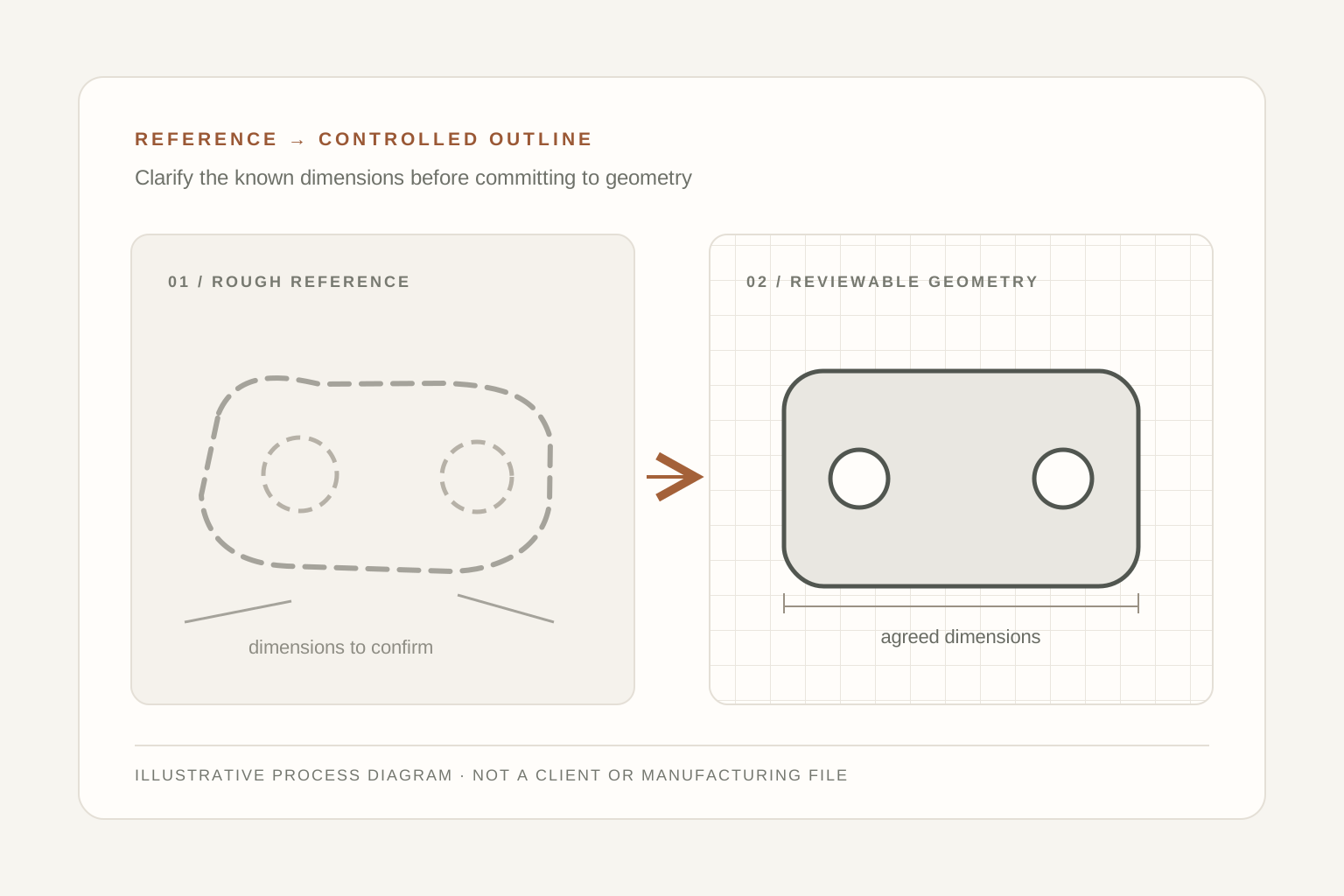
Illustrative diagram of a rough reference becoming a clean geometric outlinePROCESS EXAMPLE · NOT CLIENT WORK

01 / Reverse Engineering

From reference to reconstructed form.

A reconstruction starts by identifying which dimensions are known, which surfaces matter for fit, and where a reference is incomplete. The model should preserve those decisions instead of hiding assumptions.

  • Typical starting point: measurements, photos, or scan data
  • Possible output: reconstructed CAD and review views
Explore Reverse Engineering
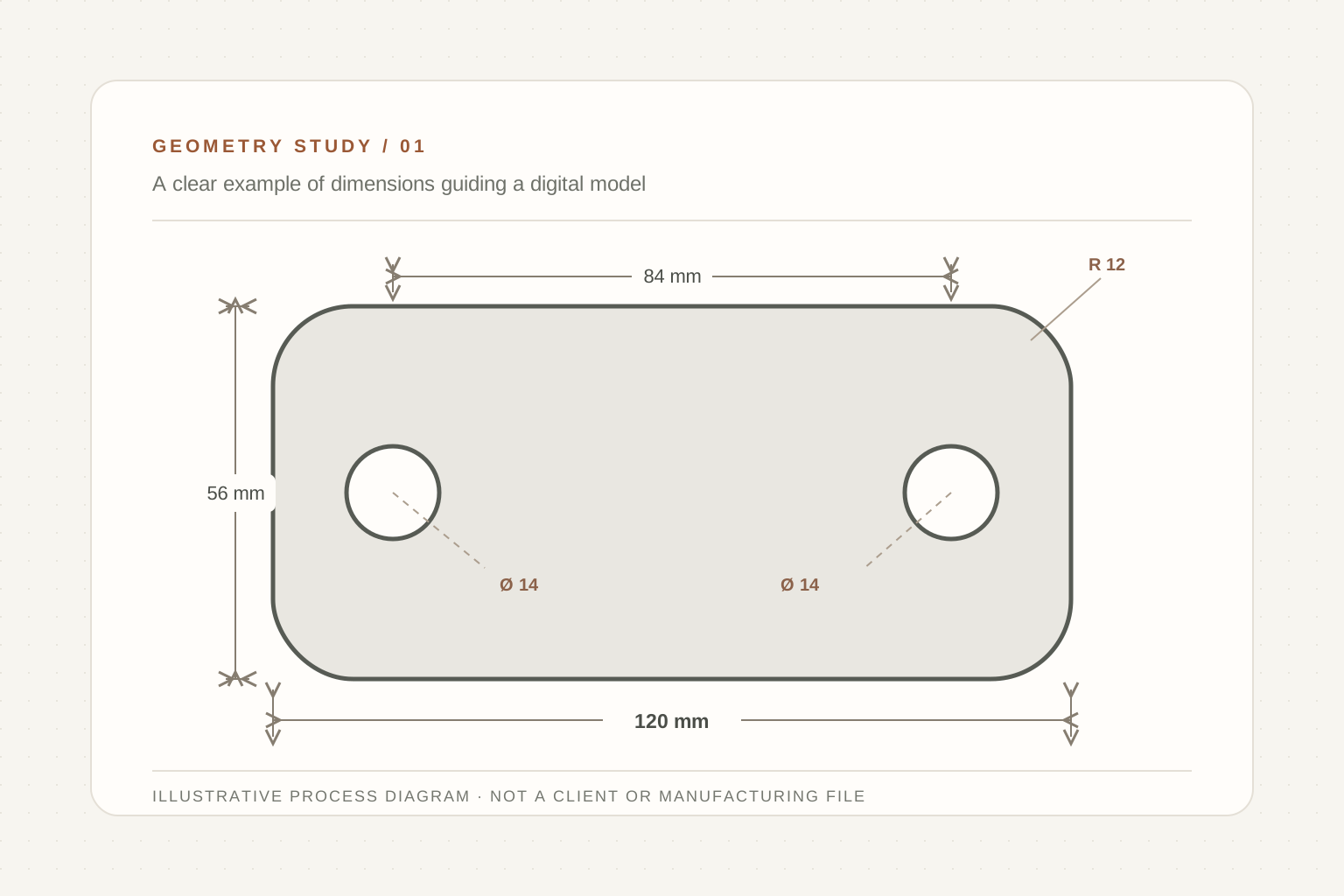
Illustrative dimensioned outline with two holesPROCESS EXAMPLE · NOT CLIENT WORK

02 / CAD Modeling

Known dimensions, visible decisions.

Even simple geometry benefits from a clear reference, a reviewable model, and explicit dimensions. The example diagram shows that principle; it is not an actual client file or a manufacturing drawing.

  • Typical starting point: a sketch or measured reference
  • Possible output: scoped editable CAD and review views
Explore CAD Modeling
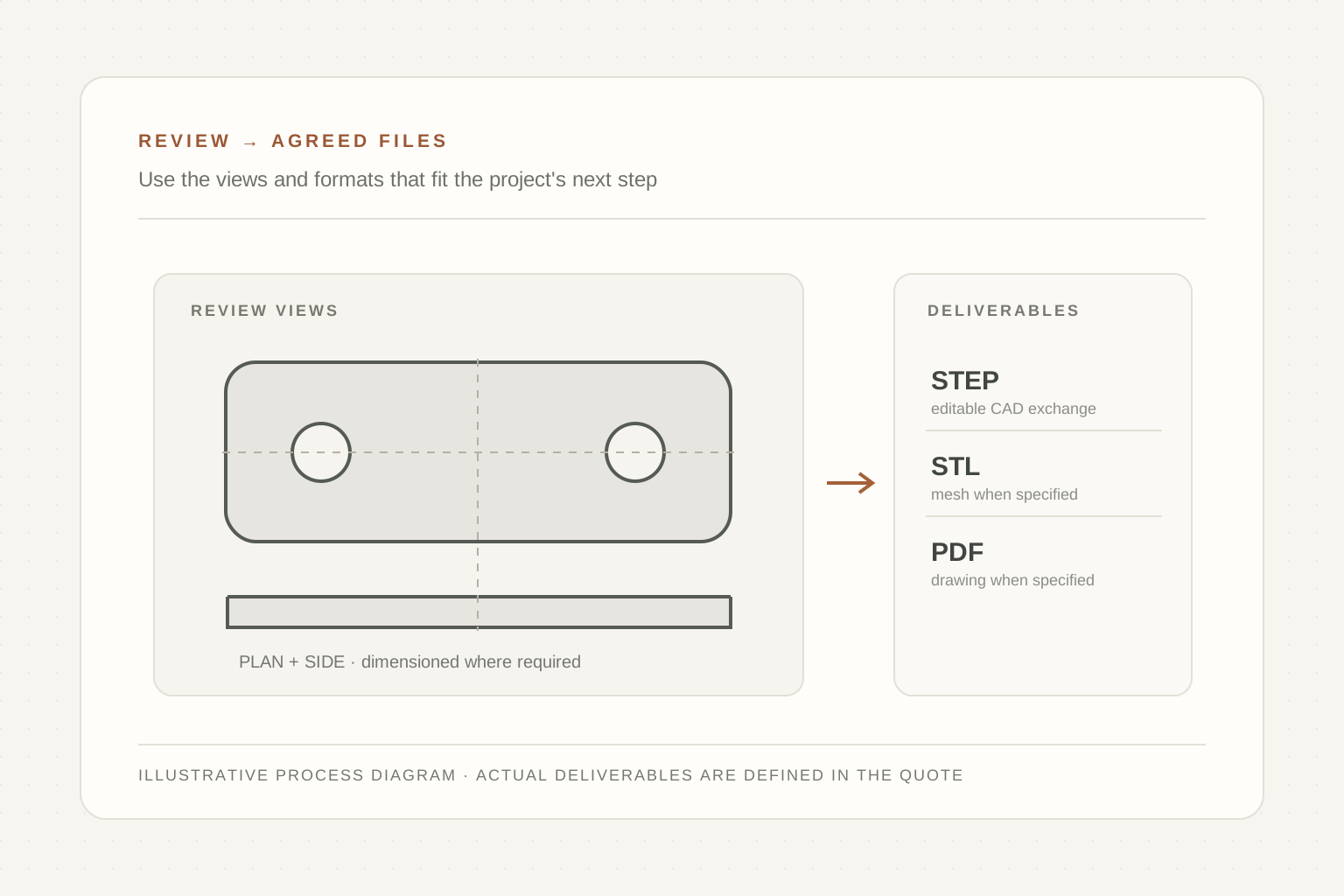
Illustrative diagram showing review views and possible digital file formatsPROCESS EXAMPLE · NOT CLIENT WORK

03 / Digital Delivery

Files chosen for their next use.

Digital geometry can support review, technical coordination, visualization, or a later production step. The required detail and final file format follow that purpose and are confirmed in the quote.

  • Typical starting point: an agreed model and review feedback
  • Possible output: STEP, STL, PDF, or other scoped files
Explore 3D Modeling

Your project has its own constraints

Show us the starting point.

We will review it and define a useful scope with you.

Start a Project